Understanding copyright protection in Vietnam is crucial for foreign businesses and individuals who create or use copyrighted works. This article provides a comprehensive overview of copyright law in Vietnam, including the types of works protected, ownership and transfer, registration, infringement, moral rights, international conventions, and challenges.
Copyright law is a cornerstone of a healthy creative ecosystem in Vietnam. It protects the rights of creators and incentivizes them to produce original works. However, the law also recognizes the need for limitations and exceptions. This article explores the concept of "fair use" and other exceptions that allow you to legally utilize copyrighted works for specific purposes, all while navigating the gray areas of copyright use in Vietnam.
Vietnam's creative landscape thrives on the talent and originality of its artists, musicians, and writers. However, a persistent threat looms large: copyright infringement. This not only undermines the livelihoods of creators but also hinders the growth of the entire creative sector. The good news? Vietnam has a legal framework in place to protect your copyright and enable you to take legal action against infringers. This guide equips you, the copyright holder, with the knowledge to navigate the intricacies of copyright infringement lawsuits in Vietnam.
Copyright law is the cornerstone of protecting your creative work. It shields your originality and ensures you reap the rewards of your artistic endeavors. But in today's digital age, a legal shield alone isn't enough. Technology offers a treasure trove of solutions specifically designed to empower creators, streamline workflows, and amplify creative potential. Let's delve into some of the tech tools revolutionizing the creator landscape across various disciplines.
The vibrant creative scene in Vietnam thrives on the originality and hard work of its creators. Unfortunately, copyright infringement can threaten this livelihood. However, fear not! Vietnam offers various legal options to protect your work and seek compensation. This guide empowers you to navigate these options and choose the best course of action for your specific situation.
The PTC1 case wasn't just a courtroom victory, it was a tremor in the foundation of Vietnamese copyright law. The hefty damages awarded set a bold precedent, potentially redefining fair compensation and deterring future infringement. This case wasn't just about justice, it was about reshaping the landscape of intellectual property protection in Vietnam, one software license at a time. Stay tuned, because the echoes of PTC1 are only just beginning to resonate.
Folklore, the rich tapestry of a community's traditional artistic heritage, faces challenges in the modern world. While copyright law offers a potential tool for protection, its applicability to folklore is a complex issue. This article explores the conditions under which folklore works might be protected by copyright, highlighting both the potential benefits and limitations of this approach
In Vietnam, a vibrant creative landscape thrives. Writers, artists, musicians, and software developers produce original works that deserve protection. Copyright registration serves as a crucial safeguard, granting legal recognition and ownership rights to your creative endeavors. This article guides you through the step-by-step process of registering your copyright in Vietnam.
Important Note: While copyright protection exists automatically upon creation of an original work in Vietnam (adhering to the Berne Convention), registration strengthens your claim and simplifies enforcement measures in case of infringement.
Copyright infringement can be a significant concern for creators in Vietnam. If you believe your copyrighted work has been copied or used without your permission, successfully navigating the legal system requires establishing two crucial elements: ownership and damages. This article explores the key steps involved in proving copyright ownership and damages in a Vietnamese court.
Vietnam's intellectual property landscape underwent significant changes in 2023 with the implementation of the revised Intellectual Property Law and its accompanying Decree 17. This article delves into the novelties introduced specifically concerning copyright and related rights, offering valuable insights for creators, businesses, and individuals navigating this evolving legal framework.
Vietnam's tech scene is buzzing with activity, and open-source software (OSS) plays a vital role in this growth. However, ensuring smooth collaboration and fostering innovation requires a clear understanding of how OSS licenses interact with Vietnamese copyright law. This article serves as your guide to achieving "open-source harmony" in Vietnam.
In today's digital age, we're constantly bombarded with creative content. Music soundtracks our commutes, movies stream on-demand, and captivating images flood our social media feeds. But often overlooked is the human element behind this content. Every song, video, or photograph is the result of a creator pouring their heart and soul into their craft. This is where copyright education steps in. It's not just about legalese; it's about fostering a future where creators are valued and their work is respected.
Vietnam's thriving creative scene pulsates with the energy of creators. However, copyright infringement can be a major setback, stealing your rightful recognition and potentially causing financial losses. While administrative procedures offer an initial approach, lawsuits provide a more comprehensive option to enforce your copyright and seek compensation. This guide explores the legal landscape of copyright infringement lawsuits in Vietnam.
Important Note: This guide is for informational purposes only and doesn't constitute legal advice. Consulting a lawyer experienced in Vietnamese copyright law is crucial for navigating lawsuits effectively.
Copyright protection plays a vital role in Vietnam's thriving creative landscape ecosystem, safeguarding the rights of creators and ensuring they are rewarded for their originality. This comprehensive guide delves into the intricacies of copyright registration in Vietnam, addressing frequently asked questions and dispelling common misconceptions. Whether you're a budding artist or a seasoned creative professional, understanding copyright registration empowers you to protect your work and navigate the legal landscape with confidence
Vietnam's digital landscape is exploding. A 2023 report by Hootsuite indicates that over 70 million Vietnamese people are now active internet users and a significant portion of that population creates and consumes online content daily. This surge in online activity presents exciting opportunities and potential challenges for creators.
Copyright law in Vietnam safeguards the intellectual property rights of creators across a broad spectrum of creative endeavors. This article explores the main categories of works that qualify for copyright protection in Vietnam.
In the fast-paced world of software development, content creation, and marketing, the question of copyright ownership can be a real head-scratcher. Who exactly owns the copyright for the creative works that fuel your business? This article dives into the complexities of copyright ownership in these three domains, helping you navigate this crucial legal aspect.
Vietnam's creative sector is flourishing, brimming with music, art, literature, and innovation. However, alongside this growth lies a persistent threat: copyright infringement. While unauthorized copying is the most recognized form of copyright violation, it's just the tip of the iceberg. This article delves into lesser-known but significant ways copyright can be infringed in Vietnam's dynamic creative landscape.
The case of Le Linh v. Phan Thi Co., Ltd. (2018) sparked significant debate surrounding copyright ownership and moral rights in Vietnam. This article analyzes the case and its implications through the lens of the 2005 Intellectual Property Law (IP Law) and its subsequent amendments.
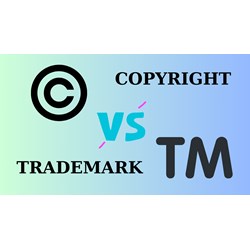
Copyright and trademark are in essence brothers in the world of Intellectual Property, with many works that can be covered by both. However, as easily they are allies, they can be turned against each other. This also points out another shortcoming of the current law regarding this issue.