In Vietnam's dynamic business landscape, intellectual property (IP) plays a crucial role in driving innovation and economic growth. The Vietnamese government recognizes this and offers a wealth of free resources through various agencies to support businesses, particularly startups and SMEs, in protecting their valuable IP assets.
Operating in Vietnam's dynamic market holds immense potential, but safeguarding your intellectual property (IP) is crucial for long-term success. A strong understanding of Vietnamese IP Laws and anti-counterfeiting measures equips you to shield your valuable assets. Here's a comprehensive guide to navigating this important aspect:
In the ever-evolving battle against counterfeiting, Vietnam's National Office of Intellectual Property (NOIP) stands as the frontline defense. Here's a closer look at how the NOIP tackles this complex challenge and safeguards Vietnam's intellectual property landscape:
Counterfeiting can be a major thorn in the side of any business operating in Vietnam. These fake products not only erode your brand reputation but also eat into your profit. When faced with counterfeiting activities, you have two primary options for taking action: lawsuits and raids. But which approach is right for you? This article explores the pros and cons of each method to help you choose the most effective course of action.
Counterfeiting ín't a harmless game of cheap knock-offs. It's a serious threat that can erode your brand value, shatter consumer trust, and eat away at your bottom line. The good news? You don't have to be the victim. By taking a proactive approach to brand protection, you can stay ahead of counterfeiters and safeguard your brand's reputation in Vietnam.
Protecting your intellectual property is vital for business success in Vietnam's thriving market. this guide serves as your roadmap for registering trademarks and designs, along with strategies for enforcing your rights against counterfeiting.
Protecting your intellectual property (IP) rights in Cambodia can be challenging, but understanding the available enforcement options and navigating the legal landscape is crucial. This article explores the key aspects of IPR enforcement, focusing on the role of customs in combating infringement and the options available to rights holders.
License agreements offer a powerful tool for businesses to leverage intellectual property (IP) assets, expanding market reach, enhancing brand value, and driving revenue. However, to unlock the full potential of these agreements, understanding the key financial terms, particularly royalties and other considerations, is crucial.
Thailand's bustling economy and growing tourist industry make it a prime target for intellectual property (IP) infringement. Counterfeit goods, from designer handbags to pirated software, plague the market. If you've invested your time and resources into creating intellectual property, you deserve to be protected. This article explores the legal landscape of IP litigation in Thailand, empowering you to take action against infringers.
The world of intellectual property (IP) often conjures images of patents and trademarks. However, trade secrets, the crown jewels of a company's confidential information, play a vital role in driving innovation and competition. The World Intellectual Property Organization (WIPO) plays a crucial role not just in regulating trade secrets but also in fostering a global environment that encourages their protection and utilization.
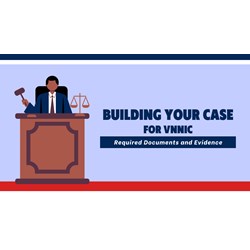
Facing a ".vn" domain name infringement in Vietnam? A well-prepared case submitted to the Vietnam Internet Network Information Center (VNNIC) is your key to success. Here's a breakdown of the essential documents and evidence you'll need to build a strong case for VNNIC and protect your rightful ownership of your Vietnamese online presence.
Open source software (OSS) offers a treasure trove of pre-written, reliable code, accelerating development and fostering innovation. However, incorporating OSS components into your project introduces a layer of legal considerations. Just like building a house requires a solid foundation, a successful open-source integration needs a firm grasp of legal risks.
The world of technology is brimming with innovation, and at the heart of much of this progress lies open-source software (OSS). But what exactly defines OSS? Unlike proprietary software with its restricted access and licensing, OSS thrives on a set of core principles that foster collaboration, transparency, and accessibility. Let's delve into these fundamental pillars that underpin the open-source philosophy.
When a ".vn" domain name infringes on your trademark in Vietnam, the Vietnam Internet Network Information Center (VNNIC) provides a robust and cost-effective mechanism for seeking resolution. This comprehensive guide walks you through the process of filing a domain name complaint with VNNIC.
Technology transfer agreements are the backbone of successful knowledge sharing between businesses. This article explores nine key clauses commonly found in these agreements, helping you understand their significance and how they ensure a clear, secure, and collaborative transfer of IP. From defining the scope of the transfer to establishing mechanisms for dispute resolution and termination, this article provides a comprehensive explanation of these critical clauses, empowering you to navigate the complexities of tech transfer agreement.
Technology transfer, the sharing of knowledge and expertise, fuels innovation across industries. But when it comes to the financial side of things, taxes can introduce a layer of complexity. This article breaks down how taxes are levied on technology transfer payments, helping you navigate this crucial aspect of such agreements.
Technology transfer is a cornerstone of economic development in Vietnam, fostering innovation and propelling businesses forward. The legal landscape governing this process is outlined in the Law on Technology Transfer (LTT) enacted in 2017. This article serves as a guide to navigating the key aspects of each transfer within Vietnamese law.
Technology transfer, the exchange of knowledge and expertise embodied in technologies, offers a powerful tool for businesses to expand their reach and share knowledge. However, ensuring the smooth transfer of intellectual property (IP) rights is fundamental to the transaction's success. Without proper due diligence, unforeseen IP issues can disrupt the transfer, hinder your ability to exploit the technology and expose you to potential legal consequences.
Vietnam's tech industry is flourishing, attracting international companies eager to tap into this dynamic market. However, for foreign companies providing digital services to Vietnamese residents, navigating the tax landscape can be a challenge. This article sheds light on withholding tax in Vietnam, specifically focusing on its implications for tech payments.
Technology transfer, the exchange of intellectual property (IP) and knowledge fuels innovation and growth across industries. However, disagreements can arise between technology providers (licensors) and recipients (licensees) regarding royalties, contract terms, or other aspects of the transfer agreement. In such situations, arbitration through the Vietnam International Arbitration Center (VIAC) offers a streamlined and efficient method for achieving a fair resolution.