In Vietnam, intellectual property protection extends beyond inventions to encompass "utility solutions". While offering a shorter protection term compared to patents, utility solutions provide a valuable mechanism for safeguarding technical innovations. However, ensuring patentability hinges on crafting a clear and comprehensive description within your application. This article explores key points to consider when describing your utility solution in a Vietnamese patent application.
Patents play a crucial role for inventors and businesses, safeguarding their inventions and fueling technological advancements. However, the path to patent protection can be intricate. This article sheds light on the concept of a grace period in Vietnam's patent law, offering valuable insights for inventors seeking to secure patent rights for their creations.
This guide delves into the two critical patent search types in Vietnam: novelty searches and freedom-to-operate (FTO) reaches. Understanding the distinction between these searches empowers inventors, businesses, and patent attorneys to make informed decisions regarding patentability and potential infringement risks.
Vietnam's innovation landscape is flourishing, fueled by a growing number of patent applications and granted patents. As competition intensifies, the potential for patent disputes also rises. Fortunately, Vietnamese businesses have options beyond traditional court litigation to resolve these disputes. Alternative Dispute Resolution (ADR) offers a faster, more cost-effective, and potentially more amicable way to settle disagreements.
Understanding patent law in Vietnam is crucial for foreign inventors seeking to protect their inventions and commercialize their products or technologies in the Vietnamese market. This article provides a comprehensive overview of patent law in Vietnam, including the types of patents, eligibility criteria, application process, enforcement, and international considerations.
A divisional patent application is a powerful tool in Vietnam's patent system, allowing applicants to strategically manage their patent portfolios. This article provides a comprehensive overview of divisional applications in Vietnam, covering key aspects like their purpose, timing, requirements, and examination process.
As Vietnamese businesses and individuals develop new technologies, intellectual property (IP) protection becomes increasingly crucial. Patents play a key role in safeguarding inventions and promoting technological progress. This article explores the two main types of patent protection available in Vietnam: patents for inventions and utility models.
The Vietnamese intellectual property landscape offers protection for a wide range of creations, but not everything qualifies for patent protection. This article helps inventors understand the specific categories of items excluded from patent protection in Vietnam.
Vietnam's patent system is experiencing a significant transformation, fueled by the country's rapid economic development and strong emphasis on innovation. While still relatively young compared to established economies, Vietnam is quickly gaining recognition as an increasingly attractive destination for patent filings. As such, we at Minh Khue Lawfirm are eager to share our knowledge of this subject, to provide a complete overview of our patent system.
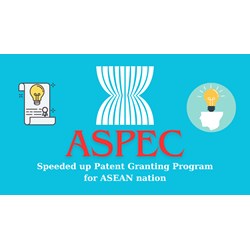
The intellectual property landscape in Southeast Asia is undergoing a transformation, fueled by a burgeoning spirit of innovation and a collaborative regional vision. At the forefront of this change stands the ASEAN Patent Examination Cooperation (ASPEC), a groundbreaking initiative poised to streamline patent procedures and accelerate patent acquisition across the region. This article delves into the intricacies of ASPEC, exploring its objectives, functionalities, and potential impact on the innovative ecosystem of ASEAN member states.
Protecting your inventions through patents is crucial in the modern world. However, situations might arise where a granted patent needs to be canceled. This article delves into the procedures and fees associated with patent cancellation in Vietnam, drawing insights from the provided articles.
China's recent amendments to its patent law, implemented in June 2021, have significantly impacted the pharmaceutical sector. These changes, largely driven by the US-China trade agreement, aim to strengthen intellectual property (IP) protection and foster innovation within the industry. Let's delve into the key aspects of the revised law and their implications for both originator and generic drug companies.
In the fast-paced world of technological advancement, Vietnam recognizes the crucial role of intellectual property (IP) protection in fostering innovation and driving economic growth. At the center of this endeavor stands the National Office of Intellectual Property (NOIP), tasked with safeguarding inventor rights and upholding patent law. This essay delves into the complex process of patent infringement assessment employed by the NOIP, examining its legal framework, procedures, and challenges.
In this fertile land of invention, Laotian ingenuity awaits its chance to bloom. Yet, every groundbreaking idea, each revolutionary spark, needs a shield to weather the storms of imitation. Patent registration becomes your fortress, transforming fragile concepts into protected assets, ready to shape the future. Within this guide, we'll dissect the secrets of patentability, illuminate the path through formalities and examinations, and unveil strategic options like the PCT. But beyond legalese, you'll discover the power your invention holds, the potential to revolutionize industries or touch countless lives. So, let's embark on this journey together, where knowledge translates to confidence, and where your spark, shielded and empowered, blossoms into a beacon of Laotian innovation, leaving its indelible mark on the world.
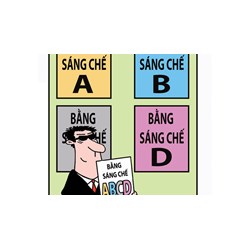
This article delves into the world of intellectual property, offering a clear comparison between inventions and utility solutions specifically for IP academics. By unpacking key differences like inventive steps, protection periods, and examination processes, it aims to equip you with the knowledge to advise clients effectively and navigate the complexities of intellectual property protection. Remember, understanding the nuances of each option and carefully considering factors like technical merit, commercial potential, and jurisdiction-specific regulations is crucial for maximizing intellectual property value.
In the vibrant and dynamic market of Vietnam, innovation thrives. However, amidst the rush of new ideas, a chilling whisper can arise: the allegation of patent infringement. For the uninitiated, such accusations can be daunting and confusing. This guide aims to dispel some of that uncertainty by laying out the landscape of patent infringement in Vietnam and providing general advice for navigating this challenging legal journey.
Patents take center stage in the landmark Amended Vietnam Intellectual Property Law 2022! Enacted on June 16, 2022, and soon to set sail on January 1, 2023, this groundbreaking legislation revamps Vietnam's IP landscape, with patents receiving a significant overhaul. Among the amended provisions, 12 key aspects stand out, shaping the future of innovation and sparking our keen interest. We're eager to delve into these crucial changes and share our insightful perspectives on each one.
In today's knowledge-driven economy, innovation is paramount. Vietnam, with its burgeoning market, presents a compelling destination for inventors seeking to protect their creations. A crucial aspect of this protection is ensuring your invention meets the criteria for patentability. Among these criteria, industrial applicability stands as a cornerstone principle. This article delves into the concept of industrial applicability within the Vietnamese patent system, equipping you with the knowledge to determine if your invention qualifies for patent protection.
In Vietnam's thriving innovation landscape, patents play a critical role in safeguarding inventions and fostering a competitive edge. This comprehensive guide empowers inventors, businesses, and patent professionals with a clear understanding of patent terms and renewal procedures in Vietnam. A granted patent in Vietnam typically offers a 20-year validity period from the filing date, highlighting the importance of timely renewals to maintain exclusive rights